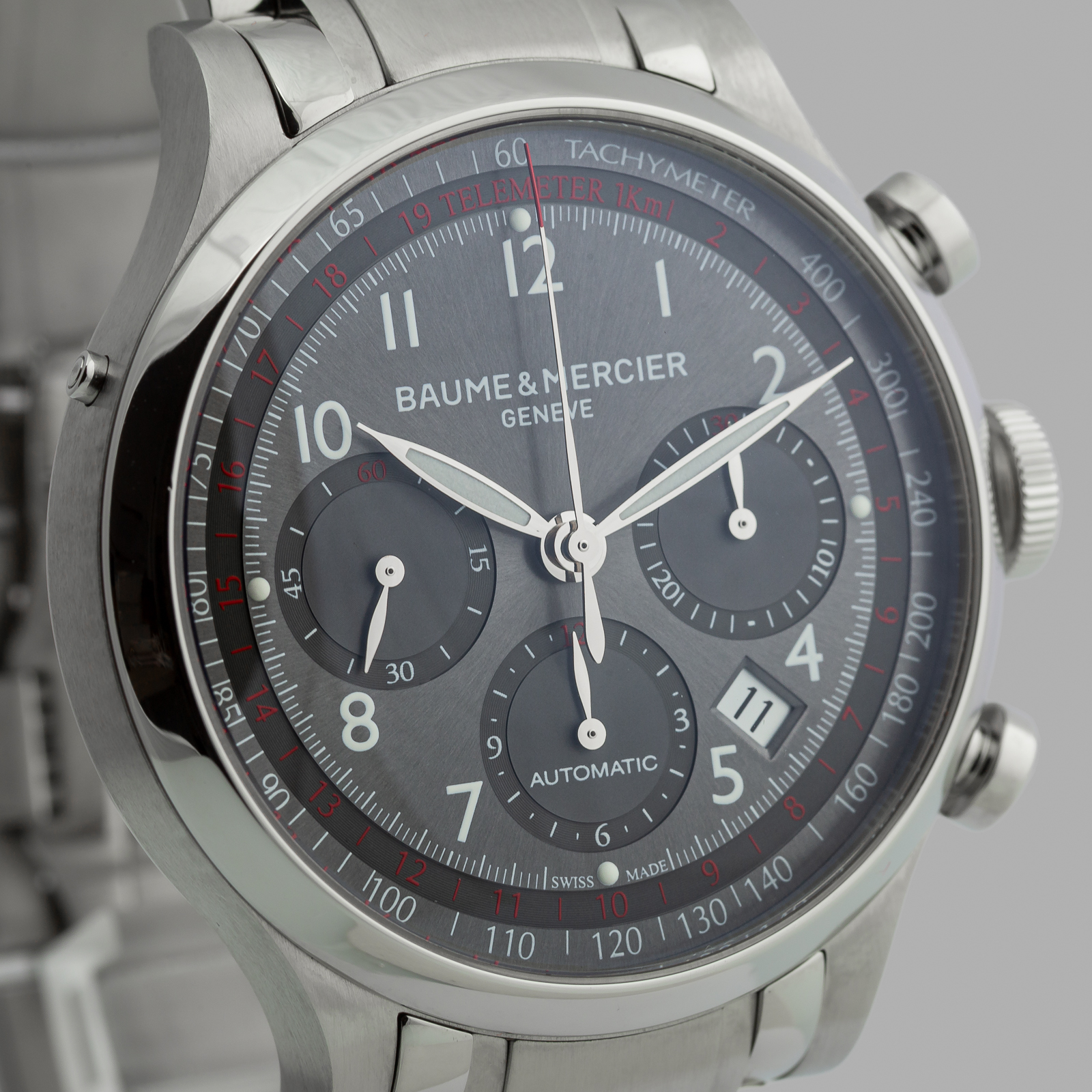
When we choose a high-end watch, we usually focus on the mechanism, the brand, the design of the case or the type of bracelet. The glass that protects the dial rarely becomes the first topic of conversation, and wrongly so. It is this inconspicuous element that determines how the timepiece will look after one, five and twenty years of daily use. Understanding the differences between the available types of glass is knowledge that helps you make better purchasing decisions and properly care for the pieces you own.
Why is the glass in a watch so important?
Glass has a primarily protective function: it shields the dial from scratches, impacts, moisture and dirt. However, its role does not end with technicalities. In premium watches, glass is also an aesthetic element: it affects the clarity of the reading and the visual qualities of the dial. There is a reason why luxury watch manufacturers treat the choice of glass as a design decision, not just an engineering one. The right kind of glass can expose the beauty of enamel, the texture of guilloche or the subtle finish of the hands in a way that cheaper materials simply cannot.
The durability of each glass is evaluated using the Mohs scale, a ten-point measure of mineral hardness developed in 1812 by German mineralogist Friedrich Mohs. The higher the degree on this scale, the greater the material’s resistance to scratching. It is this scale that allows you to objectively compare the available options and understand the practical implications of each choice.
What is hesalite glass and when is it worth choosing it?
Hesalite glass, also known as plastic or acrylic glass, is made of hardened polypropylene. It ranks very low on the Mohs scale, at only 1-2 degrees, which means it is clearly susceptible to scratches. With daily use, scratches appear relatively quickly.
Despite this obvious weakness, hessalite glass has characteristics that make it a valuable choice in certain applications. First of all, it is extremely flexible, so it absorbs impacts much better than harder materials. A watch with such glass is more difficult to shatter with a single, strong shock.
Moreover, minor scratches on the surface of hesalite can be removed by polishing with a special paste, which is not possible with harder glasses. Hesalite is also the cheapest to manufacture and replace, which significantly reduces servicing costs in case of possible damage. However, it is worth knowing that hessalite glass is more sensitive to high temperatures and some chemicals, and watches equipped with this material generally have a lower water resistance than models with mineral or sapphire glass.
What is the advantage of mineral glass over hesalite?
Mineral glass is by far the most popular type of glass used in mid- to high-end watches. It reaches a value of 4-5 on the Mohs scale, which means clearly better scratch resistance than hessalite, while retaining some flexibility. This flexibility is important: mineral glass is harder to break than sapphire because it is not as brittle. This makes it a reasonable compromise between durability and resistance to mechanical damage.
Mineral glass is produced from silicon and subjected to hardening processes that increase its resistance. A reinforced version of this material, known as Hardlex, used by some manufacturers, offers even higher strength parameters while maintaining good resilience. Production costs are lower than for sapphire glass, which translates into a more attractive value for money. Mineral glass works well in watches worn on a daily basis, in changing conditions, when the timepiece can be exposed to both friction and occasional impacts.
What distinguishes sapphire glass and why do top manufacturers use it?
Sapphire glass is the material that sets the highest standard in watchmaking for protecting the dial. It is produced from synthetic alumina, an aluminum oxide that undergoes crystallization, and reaches the 9th degree on the Mohs scale. This means that virtually the only material capable of scratching them is diamond. In the practice of daily use, sapphire glass is scratch-resistant to a degree that is unrivaled among available alternatives.
The processing of this material is extremely demanding: the cutting and grinding of sapphire glass is done with diamond tools, which makes the production process expensive and time-consuming. The result, however, is a glass of exceptional clarity that does not lose quality over the years. The dials of watches with sapphire glass remain looking like new even after many years of use, which is of great importance both aesthetically and collectively. Most luxury manufacturers additionally use an anti-reflective coating applied to one or both sides of the glass, which eliminates glare and ensures excellent legibility of the dial even in intense sunlight.
Timepieces with high-end mechanisms, both Omega men’s watches with Co-Axial Master Chronometer calibers, as well as the Baume & Mercier with the chronometer awarded at the Kew Observatory, almost without exception are equipped precisely with sapphire glass. This is no coincidence: this material faithfully serves both aesthetic and protective functions, which in premium watches must go hand in hand.
Disadvantages: sapphire glass is brittle. Its high hardness goes hand in hand with less flexibility, which means that with a strong, point impact, for example, against the edge of a tabletop, it could break, while mineral glass in the same situation could only scratch. Sapphire glass is also much more expensive to replace than other materials, and should only be done at an authorized service center, which conducts a leak test after replacement.
How do you match the type of glass to your lifestyle and type of watch?
The choice of glass should be a conscious decision, tied to how and where the watch will be worn. Those looking for a classic timepiece for everyday use that will be suitable for both office meetings and weekend activities should consider mineral glass, which offers solid protection with less risk of cracking on accidental impact.
Collectors and watchmaking enthusiasts who wear the watch primarily in elegant settings, on the other hand, appreciate sapphire glass for its pristine appearance, clarity and consistent aesthetic quality over the years. Buying men’s watches online, it’s always a good idea to check in the technical specifications what type of glass is used, as this information is just as important as data on the mechanism or water resistance.
Hesalite, though rarely found in top-shelf watches, has its niche: vintage watches, where the originality of the materials is a value in itself, and sports models, exposed to intensive use in field conditions. In both cases, it is the result of a conscious choice, not a compromise.
A good watch is a timepiece matched to the man who wears it. The glass, though inconspicuous, is part of this decision and should be taken seriously, as one of the elements that build the value of the entire timepiece.
Frequently Asked Questions:
Which glass in a watch to choose: sapphire, mineral or hesalite? The choice depends on the style of use of the watch. Sapphire glass provides the highest scratch resistance, mineral glass offers a compromise between durability and price, and hesalite (acrylic) is distinguished by its flexibility and impact resistance. Each type has a different application – from luxury watches to sporty and everyday watches.
What is the difference between sapphire glass and mineral glass in a watch? Sapphire glass is much harder (about 9 on the Mohs scale), making it virtually scratch-free during daily use. Mineral glass is more prone to scratches, but it withstands impacts better and is cheaper to replace. This means that sapphire will do well in premium watches, while mineral will do well in everyday use.
Is hesalite (acrylic) glass a good choice for a watch? Yes, if you want impact resistance and a lower price. Hesalite is very flexible and difficult to break, and minor scratches can be easily polished off. Its disadvantage, however, is its low scratch resistance, so it loses its ideal appearance faster than sapphire or mineral glass.
Why is sapphire glass considered the best in watches? Sapphire glass is distinguished by its exceptional hardness and scratch resistance, so it remains clear and aesthetically pleasing for years. It is commonly used in luxury watches, where durability and build quality are important. The disadvantages can be greater brittleness under heavy impact and higher cost.
How do you choose a watch glass for your lifestyle and usage? For intensive, sporty use, mineral or hessalite glass (higher impact resistance) will be best. For elegant watches and everyday wear, a better choice will be sapphire glass, which maintains a perfect appearance for a long time. In practice, the best choice depends on whether scratch resistance, impact resistance or price is more important.