Buying used watches, the first element of analysis should be their actual technical condition. The mechanism, even if it works, may require a full overhaul, which affects the total cost of the purchase. It is worth asking the seller for information on service history and possible repairs. Such a set of data helps determine whether the price adequately reflects the condition of the timepiece.
How to check the originality of a watch?
Authenticity is the foundation of a successful purchase in the world of collectibles. Fakes can be very well made, so it is worth focusing on the details of the case, engravings and typography of the dial. It will also be helpful to compare the model with documentation and reference photos of archival pieces. If, for example Omega vintage watch raises even a shadow of a doubt, you should use an expert’s opinion.
Is the watch available in a full set?
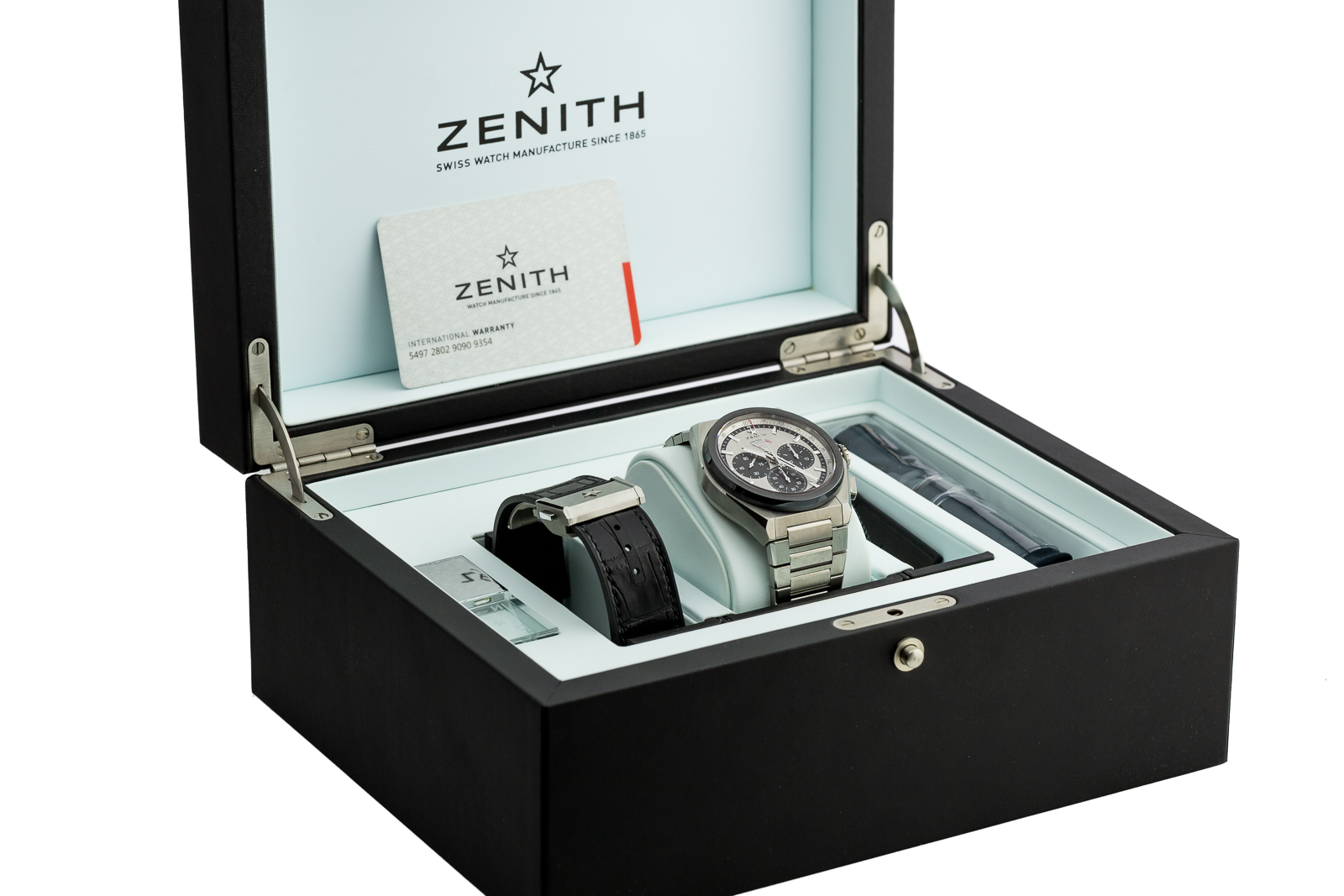
The completeness of the set significantly increases the value of the timepiece. The box, documents, certificates and original bracelet affect the attractiveness and future resale possibilities. The absence of an item is not necessarily disqualifying, but should be reflected in the price. Collectors especially value second-hand watches that have been preserved in a complete factory set.
How to assess the wear of the case and bracelet?
Visible signs of use are a natural part of the watch’s history. It is crucial to distinguish normal scratches from damage resulting from misuse or aggressive repairs. Excessive polishing can lead to loss of edge sharpness and disruption of the original proportions of the case. Even subtle differences can reduce a model’s collector value.
Has the mechanism been serviced regularly?
Regular maintenance is of paramount importance to the longevity of a timepiece. Lack of maintenance can lead to wear and tear of parts, exposing the owner to additional costs after the purchase. It is worth asking about the last service and whether it was carried out according to the manufacturer’s recommendations. Ideally, a watchmaker specialized in the brand was responsible for the work.
What to look for when buying online?
Online transactions require double caution. Check the seller’s reviews, return terms and conditions, and the availability of face-to-face contact. Photos should be sharp, natural and show the watch from all sides. If something seems unclear, it’s worth asking for additional photographs or a video.
How to compare market prices?
The price of a watch depends on many factors: condition, year of manufacture, version, completeness and rarity. It’s worth keeping track of auctions, forums and archived sales to better understand real price ranges. Models can gain or lose value over the years, which makes it important to analyze the market regularly. For example, when it comes to Zenith, a men’s watch of this brand can be a good example of how version differences can significantly affect the final price.
When is it a good idea to use an expert?
The decision to buy a timepiece, especially a first timepiece, can raise many questions. An expert will help verify the authenticity, estimate the real value and identify possible risks. A professional opinion is especially valuable with rare or unusual models. It makes the whole process safer and more informed.
How to secure the purchase after the transaction?
After finalizing the purchase, it is a good idea to take care of the documentation of the transaction and keep all proofs of purchase. The receipt, certificates and correspondence with the seller will facilitate possible complaints and confirm the origin of the copy in the future. If the watch required service immediately after purchase, keep service records as part of the history of the piece. This practice strengthens the security of your investment and facilitates later resale.
How to take care of a used copy so that it retains its value?
Regular maintenance in accordance with the manufacturer’s recommendations is the best investment in the longevity of the timepiece. Avoid extreme conditions, such as strong magnetic fields or intense humidity, which can affect the precision and condition of the seals. When the watch is not worn, store it in a dry and stable place and consider periodically winding mechanical models. Proper care translates directly into the preservation of aesthetic and collectible qualities.
Where to get market intelligence for the future?
Following auctions, catalogs and trade publications helps build price context and identify rare references. It’s also a good idea to attend local collectors’ meetings and use expert opinions for larger purchases. Over time, your own experience and accumulated documentation will become your most valuable resource when evaluating subsequent offers. Systematic expansion of knowledge turns a purchase from a risk into a conscious pleasure of collecting.
How to buy wisely?
Buying an aftermarket watch is a combination of passion, caution and knowledge. The better prepared you are to analyze the model, the greater the chance of a successful investment. It is worth combining technical verification with aesthetic evaluation and market analysis. In this way, second-hand watches will become not only a beautiful part of your collection, but also a valuable decision for years to come.
Frequently Asked Questions:
What elements should be checked to verify the authenticity of a used watch? You should check: the originality of the case, dial and hands (logos, engraving, fonts), serial and reference numbers, the correspondence of the numbers with the documentation, and the condition of the mechanism – it is best to ask a watchmaker or an authorized service center to open the case and verify it.
Why is it important to have the original box, documents and service certificates? The original box, warranty card, manual or service documents increase the credibility of the watch, confirm its history and originality, and significantly increase the value for possible resale.
What to look for when evaluating the technical and visual condition of a used watch? Check the condition of the case, the glass (for deep scratches), the dial (fading, discoloration, restoration marks), the bracelet/strap (wear, stretch, lack of original links), the operation of the mechanism, and for signs of corrosion or flooding – because cosmetics often hide internal faults.
How to judge whether the price of a used watch is fair and adequate for the condition? Compare the price with other offerings of the same model, check the market history and actual demand. If the price is significantly lower than typical, this could be a warning clue (fake, faulty mechanism, shortages). Also be wary of bidders with no sales history or unclear reputation.
Is it worth requiring service records and a full maintenance history when buying a vintage or mechanical watch? Yes – for mechanical and vintage watches, it is especially important to confirm that they have been regularly serviced (e.g. every 4-6 years) and that the parts are original. Lack of documentation increases the risk of hidden defects, which can result in high repair costs or loss of collector value.