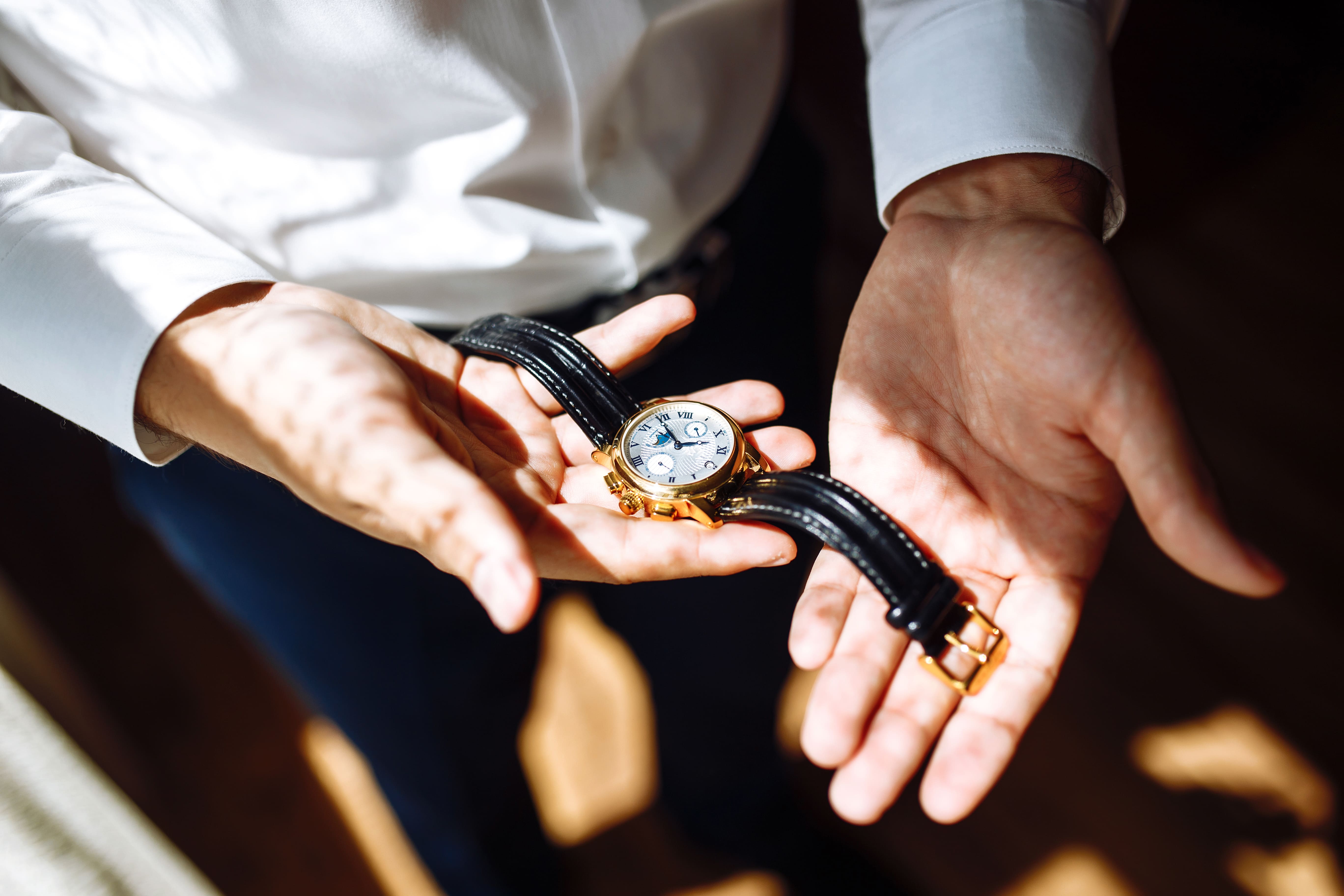
A watch is more than a timekeeping tool: it is an element of image, a piece of jewelry, and often a keepsake and an investment of value. Its perception is determined not only by the dial and case, but also by the strap or bracelet. It is these elements that work most intensively on a daily basis – they come into contact with sweat, cosmetics, the weather outside, clothes. Proper care makes them keep their form and shine for years, increasing the wearing comfort and safety of the timepiece. Before we get into the details, it’s worth remembering two general rules: first, choose cleaning methods according to the type of material; second, act gently and regularly instead of sporadically and intensively.
Leather strap: comfort and noble aging
Natural leather offers elegance and comfort, but it is an organic material and reacts to moisture, temperature and chemicals. The most common symptoms of wear and tear are discoloration, stiffness, cracking and unpleasant odor. To prevent this, it is a good idea to apply a leather impregnator from day one. The preparation penetrates the pores, increases flexibility and reduces moisture absorption. Over time, the strap will adjust to the wrist anyway, so trying to straighten it every day after taking it off is pointless – it can accelerate microcracks. After a hot summer day or workout, leave the strap to dry at room temperature, away from the radiator and intense sun. High temperatures dry out the fibers and cause brittleness, and extreme humidity promotes the proliferation of bacteria.
Perform cleaning gently. In practice, a lather of gray soap or a mild leather shampoo applied with a soft cloth will suffice. After wiping, remove any residual product with a slightly dampened cloth and let the leather dry naturally. Only then reach for a leather cream, wax or dedicated lotion – a thin layer, massaged in and carefully polished, restores color, prevents drying and reduces sweat absorption. Contact with salt water is extremely bad for the skin; if it does occur, rinse the belt with a soft cloth dampened with clean water and let it dry, then condition the skin with a product. On a daily basis, try to loosen the clasp in hot weather to allow air circulation and reduce the contact area with the skin.
Textile, rubber and other materials: hygiene that does not destroy
Textile belts (such as NATO) are breathable and resistant, but absorb odors. It is best to clean them in lukewarm water with a little mild detergent, and then rinse thoroughly and dry flat. Avoid high-temperature washing and intensive spinning, as they deform the fibers and weaken the stitching. Rubber or fluoroelastomer strips, on the other hand, tolerate contact with water well, but “like” to get soiled from bath fluids and oily cosmetics. Regular rinsing in lukewarm water and gentle drying with a soft cloth will restore freshness and elasticity. Always check the manufacturer’s recommendations – different rubber blends liked different pH of cleaners. If you are using an exotic strip (such as alligator) stick only to preparations designed for the specific leather, as standard cosmetics can permanently alter the texture.
Steel, titanium and ceramic: shine and micro-rusts under control
Metal bracelets are structurally sturdier than leather straps, but their enemy is scratches and an oily film that dulls the surface, whether you wear a Seiko men’s watch on a steel bracelet or a minimalist model on a strap. The first line of care is systematic washing with lukewarm water, with a little gray soap if necessary. Use a soft brush to safely reach the spaces between the links and around the clasp. After washing, rinse the bracelet thoroughly and dry it with a microfiber cloth, then, if you wish, dry it with the cool air of a hair dryer to get rid of any residual water from the micro gaps.
In an office environment, the biggest risks are micro-scratches from contact with a desk or keyboard, as well as rubbing against other jewelry. Be careful where you put your watch, and it’s also better not to wear bracelets on the same wrist. Use homemade polishes with extreme caution, as many are abrasive and can alter the factory finish (satin, brushed, polished). If your bracelet needs aesthetic refreshing, not just hygiene, it’s better to return it to a service center, which will restore the original cut in accordance with the manufacturer’s line.
Precious metals and coatings: when home remedies are too much
Gold and silver bracelets, as well as PVD- or DLC-coated steel, require special delicacy – this applies to both sporty models and subtle watches, such as the Longines ladies’ with a delicate bracelet. For precious metals, bathing in lukewarm water with a very mild detergent and then polishing with a soft cloth works well. Avoid aggressive household mixtures, which can react with coatings or cause discoloration. For gold-plated or silver-plated items, remember that the coating is thin – excessive friction or abrasive polishes can irreparably wear it off. If in doubt, consult a watchmaker; the cost of professional cleaning is disproportionately less than replacing links or the entire bracelet.
Ultrasonic cleaner: a great tool if you know how to use it
The ultrasonic cleaner can remove dirt from the deepest crevices of the bracelet, which is sometimes impossible manually. Use it only after removing the bracelet from the case, according to the instructions and with a proper basket to avoid hitting the links on the bottom. Not all materials and coatings tolerate ultrasound, so it is better to check this.
Fasteners, telescopes, links: the details that hold everything in place
Daily hygiene focuses on the surface, but it’s the mechanical details that determine safety. Check the condition of telescopes, screws and pins – worn components increase the risk of accidentally disengaging the watch. A butterfly clasp or buckle with a safety catch also needs cleaning from dust and leather particles. Many modern straps have a “quick-release” system that allows you to safely remove the strap without tools; this encourages you to clean it more often and replace it with seasonal variations. If you feel slack in the links or notice uneven operation of the clasp, visit a service center – tightening a screw or replacing a pin is a small thing that can save the entire watch from falling apart.
Water, sweat, chemistry and temperature: four factors worth controlling
Leather does not like salt water, and metal does not like chlorine and strong detergents. After swimming in the pool or sea, rinse the bracelet in clean water, even if the case is waterproof. Sweat contains salt and fatty acids, which settle on the links and in the stitching of the straps; a regular quick rinse after a busy day significantly reduces the formation of a dull film and odor. Perfumes, hairsprays and hand creams can react with surfaces – apply them before putting on the watch and let them dry. Extreme temperatures also do harm: frost stiffens the skin and reduces its resistance to cracking, while heat accelerates drying and discoloration.
Storage and rotation: a simple habit that extends the life of accessories
When you’re not wearing your watch, put it in a case or on a cushion, fastened so that the bracelet or strap maintains its natural curve. Leaving it on a hard surface is asking for scratches; slipping it loose in a drawer is asking for micro-damage and dust in the links. It’s worth reaching for a soft case and microfiber cloths, which you can easily buy from a reliable place like online watch store. If you have several timepieces, rotation is your ally: the materials rest, and sweat and moisture have time to evaporate. This rhythm of wear keeps even heavily used models looking fresh longer. When collecting, consider seasonal swaps of straps – such as leather for winter and rubber or textile for summer – to reduce exposure to elements the material doesn’t like.
The durability of a strap and bracelet is the sum of small gestures performed consistently. Gentle, regular cleaning, avoidance of extreme conditions, wise storage and periodic maintenance allow you to enjoy years of comfort, aesthetics and confident wear. A well-chosen and well-maintained strap or bracelet is not only a complement to your style – it is a guarantee that the watch will stay with you in impeccable condition, ready to accompany you in the next chapters of your story.
Frequently Asked Questions:
Why is regular care of a watch strap or bracelet important? Regular maintenance prevents the accumulation of dirt, sweat and debris, which can cause accelerated wear of materials, discoloration and unpleasant odor. Proper maintenance prolongs the life and aesthetics of a belt or bracelet.
How to clean a leather watch strap so as not to damage the material? Clean the leather strap with a soft, damp cloth and a little mild soap, avoiding excessive soaking. After cleaning, the strap should be dried at room temperature, away from heat sources, so that it does not lose its elasticity or color.
How do you take care of a metal bracelet so that it retains its luster and function? It is a good idea to clean the metal bracelet with a soft brush and mild soap, then rinse and dry thoroughly, especially in the spaces between the links. Regular polishing eliminates micro-scratches and restores the luster of steel or other metals.
How to care for a belt made of synthetic materials or rubber? Straps made of rubber or synthetic materials can be washed with lukewarm water and mild detergent, using a soft brush to remove dirt. After washing, they should be thoroughly rinsed and dried to prevent skin irritation and material degradation.
What usage habits help keep a belt or bracelet in good condition? It’s a good idea to remove the watch during intense exercise, swimming in chlorinated water or exposure to cosmetics and perfumes. It is also a good idea to avoid prolonged contact with moisture and store the watch in a dry place, which minimizes the risk of deformation, corrosion and color changes.