



- Marki
-



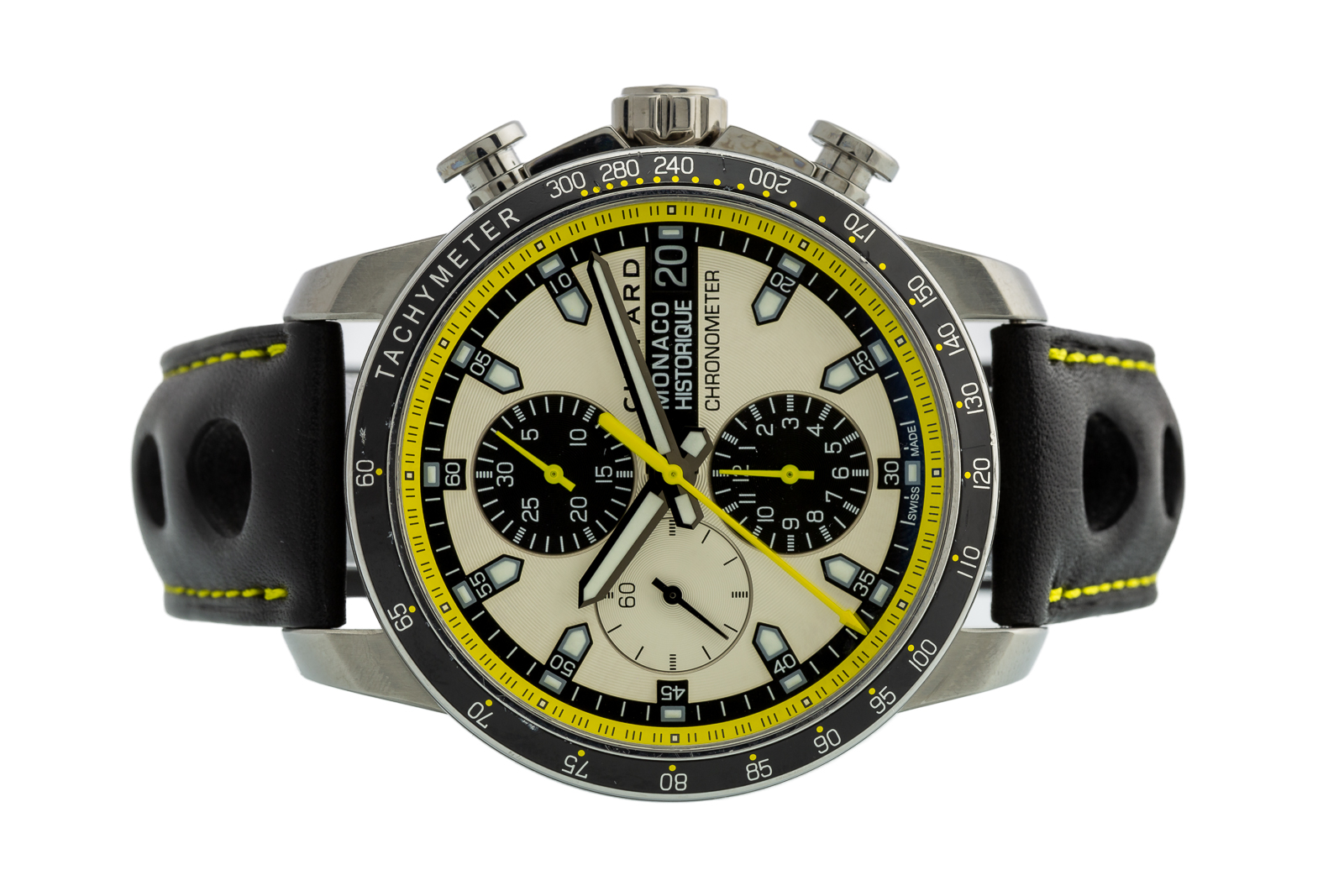
Buying your first expensive watch is a big expense, so it’s worth preparing well for it. It’s not just about choosing a nice model – what matters is the mechanism, the brand, the materials and whether the watch will actually fit your lifestyle. In this article, I’ll show you what to look for so you won’t regret your decision.
Let’s start with the basics. Luxury watches are divided into automatic, manual and quartz. Automatic ones are powered by the movement of the wrist – the rotor turns and winds the spring. You don’t need to wind them, just wear them. They are the most popular choice in the premium segment. Manual mechanisms require regular, often daily, crown winding, but for many collectors this is not a drawback, just a pleasant ritual. Quartz watches operate thanks to a battery and are more precise, but nevertheless can less often be described as luxury.
As a first luxury watch, most people choose a model with an automatic movement. It combines convenience of use with true watchmaking craftsmanship. Audemars Piguet men’s watches since 1875 have distinguished themselves in intricate automatic mechanisms, which are finished by hand and visible through the transparent bottom of the case.
Complications are anything that goes beyond simply showing hours, minutes and seconds. The most popular are chronograph (stopwatch), GMT (second time zone), perpetual calendar or tourbillon. For starters, you don’t need to look for a model with many additional functions. A simple automatic watch with a date stamp is a sensible choice – you will learn how to use and maintain it without unnecessary complications. You can consider, such brands as Chopard. Men’s watches of their manufacture are available both in versions with simple mechanisms and more complicated ones equipped with chronographs and minute repeaters.
Chronograph is a practical feature if you want to measure time in sports, for example. The perpetual calendar automatically takes into account the different number of days in the months and leap years – a true masterpiece of mechanics, but requires more attention to use. Tourbillon is already a higher school, mainly for collectors. It nullifies the influence of gravity vs. the precision of the watch’s gait in the vertical position. However, it is definitely not a must have.
Definitely yes. When you buy your first expensive watch, you are betting on a manufacturer with history and reputation. Swiss manufactures have been setting standards of quality and precision since the 19th century. It is important that the brand produces the mechanisms itself, and not just buys ready-made calibers – this approach guarantees control over the entire process and a higher value of the watch.
A company’s history translates into investment value. Models from reputable manufacturers hold their price better on the secondary market. Example: The Royal Oak, introduced in 1972, broke the rules of the industry – a steel sports watch at a luxurious price, designed by Gérald Genta, inspired by a diver’s helmet. This model changed the perception of sports watches and is still one of the most recognizable designs today. Similarly, Chopard in 1976 released the Happy Diamonds – watches with free-moving diamonds between two sapphire glasses, which was a revolution in the industry.
Very important, because it affects durability, wearing comfort and appearance. Stainless steel is the most popular choice – corrosion resistant, durable, wears well. Titanium is lighter and hypoallergenic, great for sports models. Gold (yellow, white, rose gold) and platinum are elegant materials, but require more care in daily use.
Montblanc watches combine the German tradition of goldsmithing with Swiss watchmaking – the company has been creating premium products since 1906, and has been part of the Richemont group since 1993. Their watches are completed in Switzerland using high-quality materials. The finish must be flawless – any scratch, unevenness or inaccurate connection of elements is a signal that something is wrong. It is worth choosing models with sapphire glass, which is scratch-resistant.
It depends on your lifestyle. The 1970s Sports Watch changed the rules of the game – stainless steel, integrated bracelet, water and shock resistance, but still elegant enough for formal occasions. The 1993 Royal Oak Offshore went even further – a larger case (42 mm), more massive construction – but retained a luxurious finish.
A classic watch is timeless elegance. Gold or platinum case, leather strap, simple dial – such a model will work well for business meetings and formal events. The problem is that it may be too elegant for everyday wear. For a first luxury watch, it’s best to choose something in between – a steel model with a sporty pedigree, but finished with enough care that it also matches a suit. You can wear such a watch every day without worrying about damage and wear it on special occasions as well.
Check the finish of the dial – the indexes should be accurately set, the hands balanced and precise. If the watch has a transparent bottom, take a look at the mechanism. Bridges should be hand-decorated, screws evenly finished, engravings legible. This distinguishes true craftsmanship from the masses.
The bracelet or belt must be solidly made. The steel bracelet should have precisely fitted links with no slack. The leather strap should be of high quality material, evenly sewn. The clasp is an element that is often overlooked, and should work securely and smoothly. The crown for winding and setting must turn smoothly, without rasping. If you are buying a waterproof watch, check its parameters – 30 meters is only protection against splashing, 100 meters is the minimum for swimming, and 200 meters allows diving.
The bottom line: don’t rush into a decision. See several models in person, put them on your wrist, feel the weight and fit. Your first luxury watch is a purchase for years, so it’s better to spend more time choosing than to regret a hasty decision.
The most commonly recommended choice for starting out is an automatic watch, as it combines the convenience of everyday use with traditional watchmaking. Automatics wind themselves as you wear them, while allowing you to appreciate the workings of the mechanism, an important part of entry into the world of premium watches for many. Manual mechanisms require regular winding, while quartz ones – while highly accurate – are less often associated with luxury.
To get started, it’s better to bet on a simpler model, such as an automatic date watch, which allows you to learn the basics of operation and maintenance without excessive complexity. More advanced complications, such as a tourbillon or perpetual calendar, are a technical curiosity, but require more knowledge and experience, which is why they are more likely to go to collectors than beginners.
The reputation of the manufacturer affects both the quality of workmanship and the potential future value of the watch. Manufacturers with a long history often design their own mechanisms and maintain high production standards, which translates into prestige and better retention of value on the secondary market. Choosing a proven brand also gives you a greater sense of security in your initial investment.
Stainless steel is the most versatile, as it is durable and resistant to daily use, while titanium will work well for those who value lightness and hypoallergenicity. Gold or platinum add elegance, but require more care. It is also worth choosing models with sapphire glass, which better protects against scratches and increases the comfort of daily wear.
The most practical solution is a watch with a universal character – sporty in design, but elegant enough to suit formal styling as well. Such a model can be worn every day without worrying about durability, and at the same time can be worn to a business meeting or a special occasion, making it an ideal choice for those starting out in premium watches.

Masz pytania? Chcesz porozmawiać? Chętnie pomożemy!
Pozostaw kontakt lub zadzwoń do nas.
Przed przyjazdem koniecznie umów spotkanie.
Przed przyjazdem koniecznie zadzwoń!
