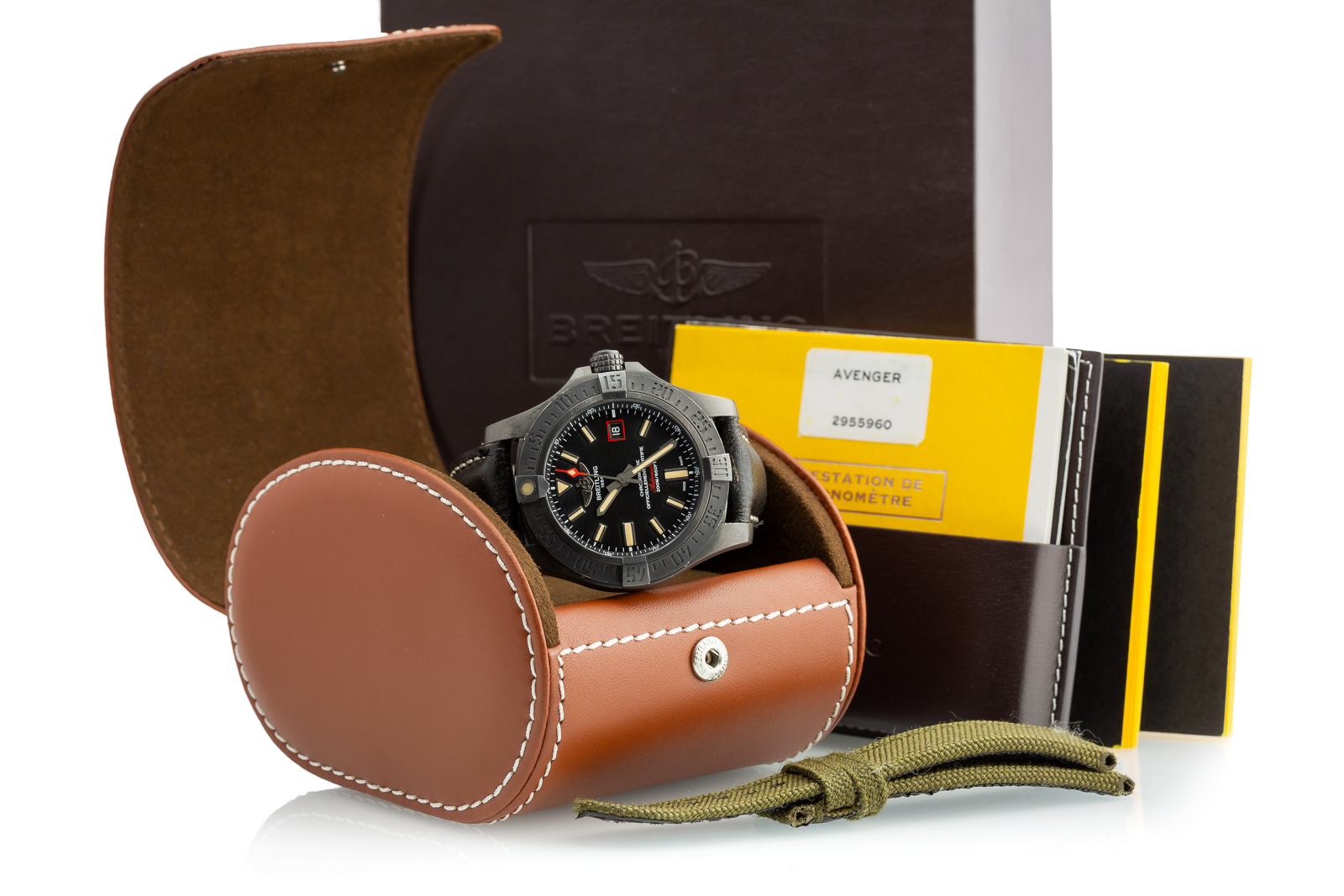
When you first look at the dial decorated with a sunburst cut, it’s hard to take your eyes off. Under the influence of light, the surface seems to take on a life of its own – it brightens, then darkens, shimmering with subtle reflections. This seemingly simple detail can completely change the character of the timepiece, adding depth and sophistication without being overly ornate. For collectors and watchmaking enthusiasts, the sun cut is one of those elements that is best appreciated in person, in everyday use.
How is the solar cut formed on the dial?
Sun-grinding is a special surface treatment technique that involves making thin, parallel lines spreading radially from the center of the dial outward. This can be compared to the rays of the sun – hence the name of this finish. The process requires precision and experience, as each line must be perfectly parallel to its neighbor, and the depth of the grind must remain constant over the entire surface.
Traditionally, this technique was applied to watch mechanisms – it can be seen on the tension or ratchet wheels visible through the transparent lid. Over time, manufacturers recognized that the raw beauty of this decoration also works well on dials. Today, it can be found in both classic and sports watches.
Why does a ground dial look different in different light?
The magic of the sun cut lies in the way light reflects off microscopic grooves on the surface of the dial. Each of the radial lines acts like a miniature mirror, reflecting light at a different angle. As you move your wrist or change position, the beams of light move across the dial, creating a dynamic, almost mesmerizing effect.
In bright sunlight, the dial can appear bright and shiny, as if emanating a glow of its own. In a room with artificial lighting, the same watch acquires depth and a more matte character. In twilight or in the evening, the color of the dial becomes more intense, more saturated. It is this variability that makes the watch never boring – you can discover something new in it every day.
Does the solar cut affect the readability of the indications?
One of the biggest advantages of this finish is that it does not impair the legibility of the dial. On the contrary, the radial structure often helps to improve the contrast between the hands, indexes and the background. The delicate shadows created between the ground lines add three-dimensionality to the dial, but do not introduce visual chaos.
Manufacturers usually combine the sun cut with subdued colors – shades of navy blue, black, gray or silver versions are popular. Exclusive watches also often present more daring solutions, such as deep bottle greens or rich browns. Regardless of the color, radiant lines direct the eye to the center of the dial, where the manufacturer’s logo is usually located, creating a natural focal point of the composition.
In which models is this finish most commonly found?
The sun-cut is not reserved for one style or price category. It can be found in minimalist watches with three hands, as well as in sports chronographs or tool divewatches. Many manufactures choose it precisely because it blends perfectly with different aesthetics.
Classic Omega men’s watches often showcase this type of finish in dress collections – an elegant dial with a subtle cut is perfect for formal occasions. In contrast Breitling men’s watch in a sporty design can combine sunray cut with distinctive contrasting indexes and a voluminous case, which gives an interesting combination of delicacy and strength. This technique also works well on women’s models, where the smaller diameter of the case further emphasizes the finesse of the workmanship.
How to distinguish the sun cut from other dial ornaments?
Beginning collectors sometimes confuse sun cut with other finishing techniques. The key is the direction of the lines – in sun cut, they always spread radially from the center. If the lines are arranged concentrically (form circles), we are dealing with a snail cut. When the lines are parallel and arranged vertically or horizontally, it’s a linear or satin cut.
Another difference is in the visual effect. The solar cut creates an impression of movement and dynamics – the dial seems to pulsate with light. Smooth, polished dials reflect light evenly, without that characteristic play of reflections. Satin-finished surfaces have a matte, uniform finish without depth. Each of these techniques has its place in watchmaking, but none offers such a fascinating effect as the radial spread of lines.
Does the solar cut require special care?
Contrary to appearances, the sun-ground dial does not require any special care. The microscopic grooves are shallow enough that no more dust or dirt accumulates in them than on a smooth surface. When routinely cleaning the watch, all you need to do is gently wipe the glass with a soft microfiber cloth – the same thing you do with any other timepiece.
However, it is worth remembering that the cut itself is under the glass, so it is protected from direct contact. The risk of damage to the dial is minimal, unless there is a serious failure of the mechanism or cracking of the glass. Regular servicing and proper storage will ensure that the radiant decoration will delight for decades.
Why do collectors value this technique?
For those deeply in love with the art of watchmaking, the sun cut represents more than just an aesthetic choice. It shows respect for tradition and attention to detail. When a manufacturer opts for such a finish, it shows that it cares about the quality of workmanship and the visual depth of the product, even if most users won’t notice this subtlety at first glance.
In a world where smooth, uniform mass-produced dials dominate, the sun cut introduces an element of craftsmanship and precision. For connoisseurs, it’s a sign that a particular model has been thought out down to the smallest detail. Especially in the premium segment, where every element matters, such decoration becomes part of a larger story about the heritage, craftsmanship and timeless elegance that a given watch represents.
Frequently Asked Questions:
What is a solar cut in a watch and what does it look like? Sunshine cut in a watch is a special technique for finishing the surface of the dial, which involves applying many thin, radially arranged lines that reflect light, so that the dial shimmers and changes shade at different angles of light, creating an effect reminiscent of the sun’s rays.
Why are sun-cut watches prized by watch lovers? Sun-cut watches are prized because this type of finishing adds depth, elegance and dynamics to the dial, and also makes the watch look more exclusive, eye-catching and able to highlight design details, which increases its aesthetic value.
How does the solar cut affect the perception of dial color? The sunshine cut makes the color of the dial appear to change depending on the light and the angle of view, giving the effect of a vivid, luminous surface – bright light can accentuate the metallic luster, while a shadow gives it a more matte, deeper tone, enhancing the visual appeal of the watch.
Does the sun cut affect the durability and quality of the watch? The sun cut itself does not directly affect the durability of the mechanism, but it is an indication of the high quality of the dial’s workmanship, as its precise execution requires advanced machining and attention to detail, which is a feature of high-end watches in terms of aesthetics and craftsmanship.
In which types of watches is the solar cut most common? The sun-cut is most often found in classic and dress watches, as well as some premium sports models, where the aesthetics of the dial is a key design element; luxury brand manufacturers use it to emphasize the quality of the finish and the elegant character of the timepiece.